
Understanding Gas Fees and How to Pay Less
Published 8 August 2026
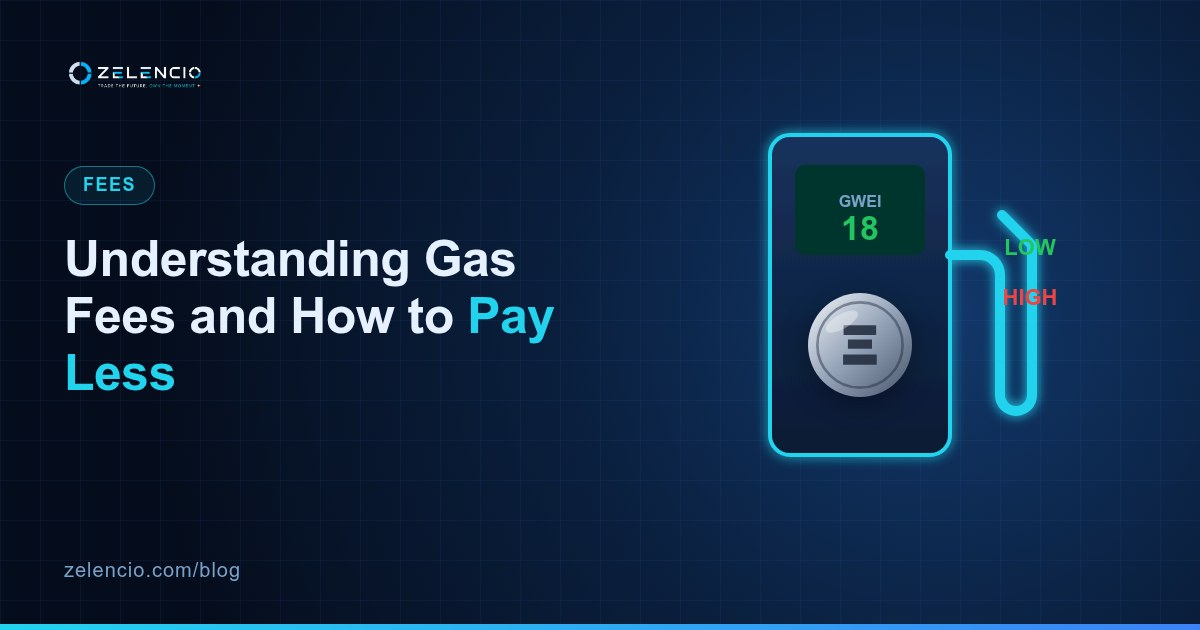
"Gas" is the fee paid to a blockchain for processing your transaction. On Ethereum it can be cents or tens of dollars for the identical action, which makes no sense until you see how it is priced.
Why it is called gas
Every operation costs a fixed amount of computational work, measured in gas units. A simple transfer uses little. A complex contract interaction uses far more.
Your fee is gas used × gas price. The units are fixed by what you are doing. The price is set by an auction.
The auction
Each block holds a limited number of transactions. When more people want in than there is room for, they bid. Higher fee, sooner inclusion.
This is why fees spike during popular launches — thousands of people bidding for the same limited space at the same moment.
Why the fee ignores the amount
You are paying for computation, not for value moved. Sending $5 costs the same as sending $500,000. This is why small transfers on expensive networks are not worth doing.
Paying less
Use a cheaper network. The biggest saving available. USDT on Tron costs cents; on Ethereum it can cost dollars. Same asset.
Time it. Fees follow activity, which follows waking hours in the US and Europe. Weekends and off-peak hours are cheaper. Check a gas tracker before sending anything large.
Do not rush. Wallets offer speed tiers. If it does not need to arrive in thirty seconds, the slow tier is a real saving.
Batch. One withdrawal of $1,000 costs one fee. Ten withdrawals of $100 cost ten.
Consider layer 2 networks. Arbitrum, Optimism, Base and similar settle to Ethereum but cost a fraction. Confirm your destination supports the network first.
A useful check
If the fee is more than 1% of what you are sending, stop and reconsider the network or wait. Paying $8 to move $50 is not a fee, it is a loss.